
The Final Moral Reckoning
Kay ScarpettaThis flow traces the survivors’ effort to assign responsibility without simplifying guilt, grief, or institutional failure.
increasing Bearing strength in each event
 decreasing
Bearing strength in each eventdecreasingA Chain of Failures
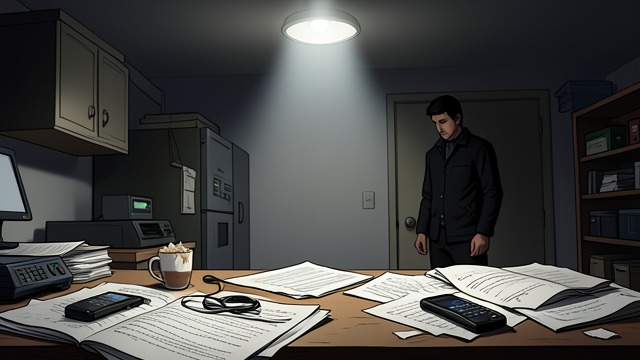
A Chain of Failures
Missed warnings
Terri’s messages were ignored, Oscar’s report was dismissed, and Morales’s behavior was tolerated because he was useful. Each institution had a partial warning but no one assembled the pattern.
Shared responsibility
The murders belong to Morales, but the conditions that enabled him include secrecy, professional arrogance, weak prosecution, and the appetite for sensational narratives.
No simple absolution
The survivors resist blaming one person for everything. Responsibility is distributed without being diluted.
Terri’s Testament
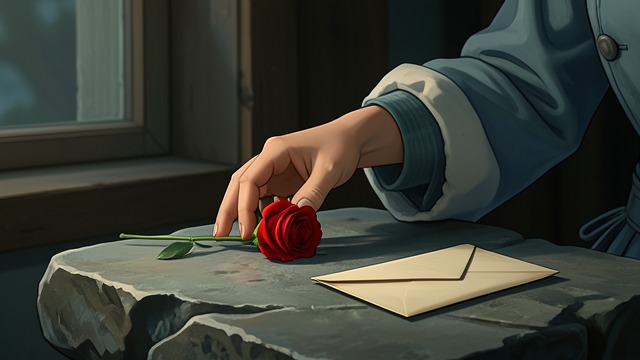
Terri’s Testament
A final contradiction
Terri leaves a substantial sum to Little People of America to support medical care for people needing procedures not covered by insurance. Her will reveals generosity beneath manipulation.
Oscar’s grief
Scarpetta tells Oscar about the roses, the inheritance, and Terri’s mixed humanity. He must mourn someone who loved him, used him, and helped make his persecution possible.
Moral complexity
Terri’s goodness does not cancel her cruelty, and her cruelty does not erase her capacity for care. The ending refuses to make grief morally convenient.
A Community After Violence
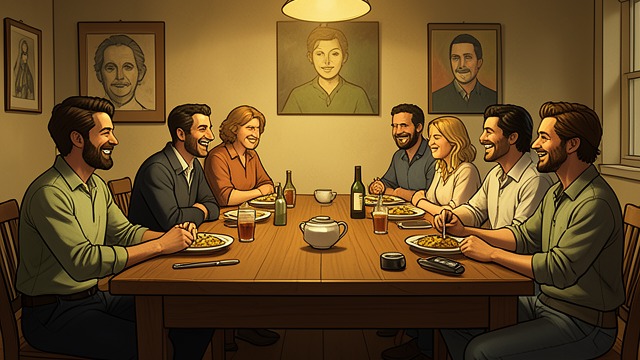
A Community After Violence
Survivors gathered
Scarpetta, Benton, Berger, Lucy, Marino, and Bacardi share food and drink after the immediate crisis. Their conversation moves between humor, memory, and the knowledge that recovery is incomplete.
The dead remain present
Terri, Eva, Rose, and the earlier victims shape the gathering even when they are not named. The living cannot return to innocence, but they can refuse isolation.
Continuing forward
The final mood is not triumph. It is an earned, fragile solidarity built from truth, accountability, and the decision to keep caring for difficult people.
After Morales’s murder is reconstructed
Two weeks after the murders
The final dinner at Elaine’s on January 13
